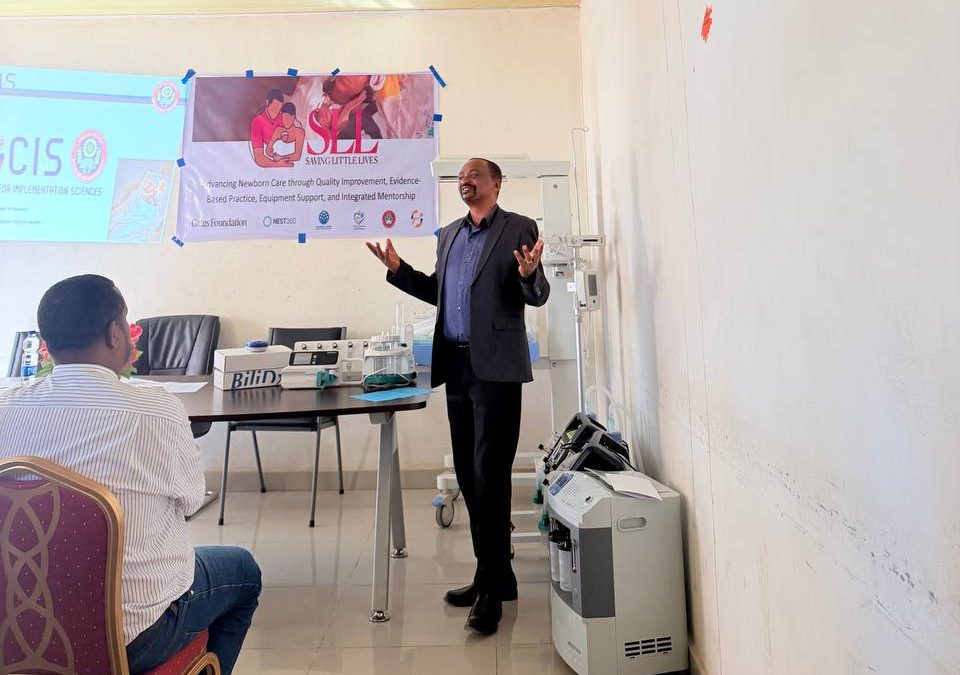
The Center for Implementation Science in Health (CIS), Addis Ababa University, through the Newborn Essential Solutions and Technologies (NEST360) program has successfully completed the installation and clinical training of neonatal medical devices at Meki and Olenchiti Primary Hospitals, marking a key milestone in Phase II implementation across eight hospitals.
All neonatal devices allocated to the Phase II hospitals are now in active distribution, reflecting steady progress in strengthening neonatal care capacity. At Meki and Olenchiti Primary Hospitals in the Oromia Region, each device was installed, tested for full functionality, and confirmed ready for clinical use.
As part of the installation process, neonatal care teams received comprehensive, hands-on training on all devices. The training focused on safe operation, basic maintenance, and troubleshooting to ensure sustained and effective use. Health care providers demonstrated strong competence and confidence in operating the equipment, reinforcing that the investment is translating into practical improvements in service delivery.
This achievement highlights the strong collaboration between clinical teams, biomedical engineering (BMET) professionals, and implementation partners, and reflects a shared commitment to ensuring that health facilities are not only equipped, but also empowered to deliver safe, high-quality neonatal care. With installation and training completed, the equipment is now fully operational to support improved services for newborns and their families at both facilities.
Installed Equipment
- Radiant Warmers
- Phototherapy Units
- CPAP Machines
- Oxygen Concentrators
- Syringe Pumps
- Suction Machines
- Weight Scales
- Pulse Oximeters
- Blidex
- Hemoglobin (HGB) Meters
CIS extends its sincere appreciation to the leadership and staff of Meki and Olenchiti Primary Hospitals, the Oromia Regional Health Bureau, and the Star Chain team for their continued collaboration and dedication in achieving this milestone.
Further updates will be shared as Phase II implementation progresses across additional sites.